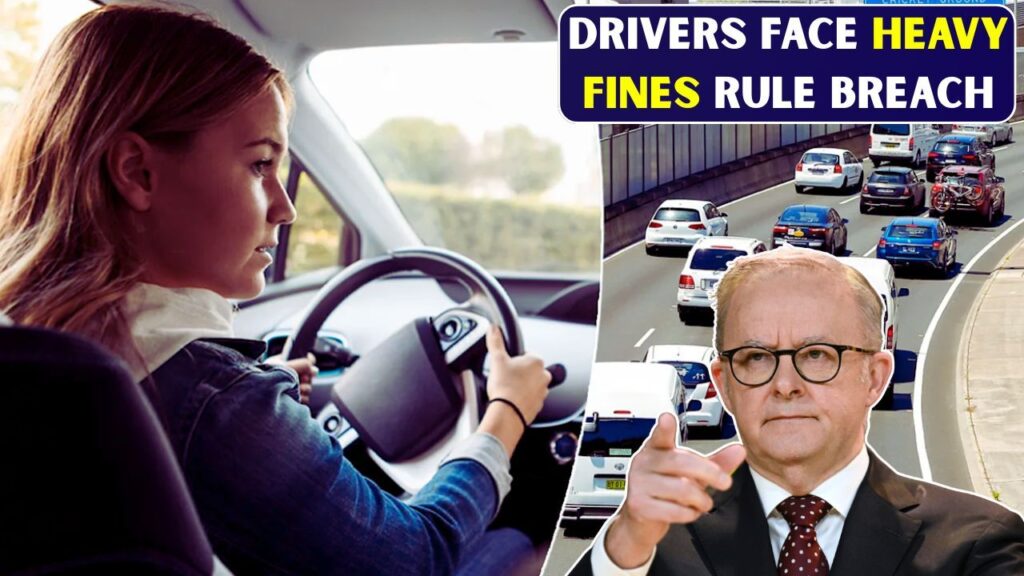
For many drivers, daily travel has become second nature—morning commutes, school drop-offs, grocery runs, and weekend outings often happen on autopilot. Yet what feels like routine driving can quickly turn costly when a simple oversight results in unexpected penalties. Across Australia, stricter enforcement and advanced monitoring systems have increased the number of drivers receiving fines of up to $1,200, often without realizing an offence occurred until days later.
What makes the situation more concerning is that penalties frequently extend beyond financial loss. Demerit points, higher insurance costs, and potential licence suspension are becoming common consequences of mistakes many motorists once believed were minor or harmless. As road safety enforcement evolves, understanding the most common violations—and how to avoid them—has become essential for protecting both finances and driving privileges.
The Most Common Mistake Leading to Heavy Fines
Among all driving offences currently drawing significant attention, illegal mobile phone use while driving remains one of the most frequent causes of high-value fines. While many drivers assume certain phone-related actions are acceptable, regulations have become far stricter in recent years.
Even brief or seemingly harmless interactions with a device can lead to penalties if they do not meet legal requirements.
Common Mobile Phone Violations
Several everyday habits can unintentionally break the law, including:
- Holding a phone while stopped at traffic lights
- Checking notifications while driving
- Using an unmounted mobile device
- Changing music manually without hands-free controls
- Picking up a phone in slow-moving traffic
- Allowing the device to rest on the lap or seat

Many drivers mistakenly believe that being stationary at lights or in heavy traffic allows brief phone use. However, in most cases, any manual interaction is considered an offence.
Why Authorities Have Increased Penalties
Road safety authorities have intensified enforcement in response to rising accident rates linked to distracted driving. Mobile phone use has emerged as one of the leading contributors to road incidents, particularly in densely populated areas where traffic conditions change rapidly.
Stronger penalties are designed to discourage risky behaviour and encourage safer driving habits across all age groups.
Key Enforcement Changes

Recent enforcement strategies include:
- Introduction of advanced mobile phone detection cameras
- Higher fines for repeat offences
- Increased demerit points in several jurisdictions
- Expanded road safety awareness campaigns
- Greater use of automated monitoring systems
These changes signal a broader shift toward prevention rather than reaction, with authorities focusing on reducing accidents before they occur.
How Modern Detection Systems Are Catching Drivers
One of the biggest changes in road enforcement is the widespread use of automated detection technology. Many drivers still believe that fines are only issued when police directly witness an offence. In reality, modern systems operate continuously and require no human observation at the time of violation.
What Detection Cameras Can Identify
Advanced monitoring systems are capable of identifying:
- Phones held in the driver’s hand
- Devices positioned in laps
- Subtle hand movements associated with device use
- Interaction at intersections or during slow traffic
- Brief glances downward toward handheld devices
Because these systems capture detailed images, even short interactions lasting only seconds can result in penalties. Notices are typically issued later, meaning drivers may not recall the exact moment the offence occurred.
Real-Life Situations Reflect the Growing Risk
Across the country, drivers are increasingly reporting unexpected fines tied to brief phone use. Many believed their actions were allowed, only to discover otherwise when penalty notices arrived.
In one common scenario, a delivery driver briefly touched his phone at a red light to check directions, assuming it was safe while stationary. Days later, he received a fine exceeding $1,000. In another case, a commuter adjusted music settings while driving in slow traffic and accumulated multiple demerit points from a single incident.
These experiences demonstrate how misunderstandings about phone use rules can lead to serious financial and legal consequences.
What the Law Actually Allows
Although regulations vary slightly depending on location, most jurisdictions follow similar guidelines designed to minimise driver distraction. Understanding these rules is essential for avoiding unintentional offences.
General Legal Conditions for Phone Use
Drivers are typically allowed to use mobile phones only when:
- The device is securely mounted in an approved holder
- The driver does not physically hold or touch the phone
- Voice commands or hands-free functions are used
- The device does not block the driver’s view of the road
- Navigation or audio settings are configured safely
Learner and provisional drivers often face stricter rules, including complete bans on mobile phone use while driving, even with mounted devices.
Consequences Beyond the Initial Fine
While financial penalties receive the most attention, the broader consequences of repeated offences can significantly affect daily life and long-term driving privileges.
Additional Risks Drivers May Face
Beyond paying a fine, drivers may encounter:
- Accumulation of demerit points
- Temporary or long-term licence suspension
- Increased vehicle insurance premiums
- Reduced employment opportunities for professional drivers
- Loss of eligibility for certain driving roles
For individuals who rely on driving for work, even a single serious offence can disrupt income and job stability.
Why Strict Enforcement Is Necessary
Road safety authorities frequently compare distracted driving risks to those associated with impaired driving. Research consistently shows that even brief distractions reduce reaction time and increase accident risk.
A momentary glance at a device can cause drivers to miss sudden changes in traffic conditions, increasing the likelihood of collisions. By enforcing stricter penalties, authorities aim to shift driver behaviour and promote consistent focus on road conditions.
Safety Over Revenue
Officials emphasise that enforcement measures are designed primarily to improve road safety rather than generate revenue. Reducing distractions remains one of the most effective strategies for lowering accident rates and preventing injuries.
Simple Steps to Avoid Costly Mistakes
Avoiding mobile phone penalties often requires only small adjustments to daily driving habits. These simple changes can dramatically reduce the risk of fines while improving overall safety.
Prepare Before Starting the Journey
Setting up navigation, playlists, and communication tools before driving eliminates the need for adjustments during travel.
Use Approved Phone Mounts
A properly installed mount allows hands-free operation while maintaining visibility and compliance with regulations.
Rely on Voice Commands
Voice-activated technology provides a safer alternative to manual interaction, allowing drivers to remain focused on the road.
Avoid Touching the Phone Completely
Even brief contact can result in penalties. Keeping devices out of reach reduces temptation and improves compliance.
Pull Over When Necessary
If phone use becomes unavoidable, stopping in a safe location before interacting with the device remains the safest and most reliable option.
The Role of Awareness in Safer Driving
As enforcement systems become more advanced, awareness is becoming one of the most powerful tools available to drivers. Staying informed about evolving regulations helps motorists avoid unnecessary risks and maintain compliance with current standards.
Regularly reviewing driving rules and understanding common violations can significantly reduce the likelihood of unexpected penalties.
Preparing for a Future of Stricter Road Enforcement
Road safety policies are expected to continue evolving as technology improves. Automated detection systems will likely expand further, increasing coverage across highways, intersections, and urban corridors.
Drivers who adapt early—by embracing hands-free habits and maintaining consistent focus—will be better positioned to avoid costly fines and protect their driving records.
Final Thoughts: Small Habits Can Prevent Major Costs
Driving safely today requires more than simply following traffic signals and speed limits. It also involves managing distractions, especially those related to mobile devices. What may seem like a harmless action can quickly become an expensive mistake under strict enforcement conditions.
By developing disciplined driving habits, preparing devices before travel, and understanding legal requirements, motorists can significantly reduce the risk of fines and maintain safer roads for everyone. In a world where technology monitors behaviour more closely than ever, awareness and preparation remain the most effective safeguards against unexpected penalties.