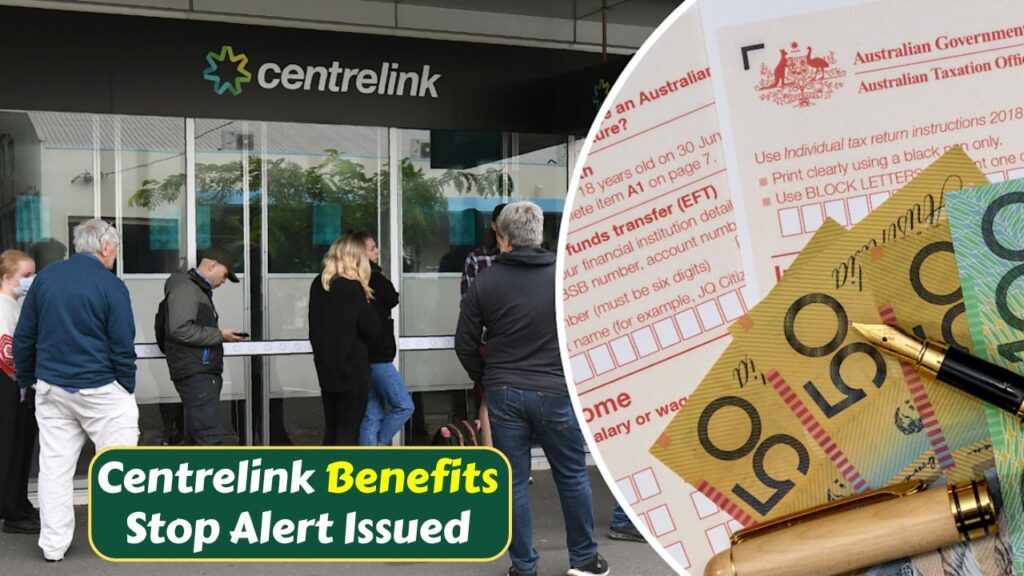
For many Australians relying on government support, financial stability depends on consistent, uninterrupted payments. Yet each year, thousands of recipients experience unexpected payment disruptions—not because of penalties, but because required compliance steps were missed or delayed.
Recent compliance reminders have highlighted a potential loss of up to $7,800 annually for individuals who fail to complete required actions in April. While this figure may sound alarming, it does not represent a direct fine. Instead, it reflects the combined value of payments and benefits that may gradually stop if compliance obligations are not met.

Understanding what this amount represents, why April is a critical period, and how to stay compliant can help recipients avoid unnecessary financial disruption.
What the $7,800 Benefit Loss Really Represents
The figure of $7,800 is not a single payment issued or withdrawn at once. Instead, it represents the total value of multiple benefits that could be lost over time if payments are suspended or cancelled.
Many recipients rely on several types of support simultaneously. When compliance obligations are not completed, one missed payment can lead to several forms of assistance stopping at the same time.
Benefits That May Be Affected

The total annual loss may include:
- Regular fortnightly base income support payments
- Rent assistance for eligible households
- Family-related support payments
- Energy or concession-linked assistance
- Supplementary benefits attached to core payments
- Access to concession cards and discounts
When these supports are combined, the financial impact of missed compliance actions can become substantial over the course of a year.
Why April Is a High-Risk Month for Compliance Issues
April is widely recognised as a key review period for government payment systems. After the start-of-year holiday period, administrative processes intensify, and pending tasks are reassessed.

During this time, system reviews and administrative checks often resume at full pace. This results in a higher volume of notifications and compliance requirements being issued to recipients.
Key Reasons April Carries Higher Risk
Several factors contribute to increased compliance activity during this period:
- Routine system reviews restarting after seasonal slowdowns
- Verification of income and employment details
- Updates to education or training participation records
- Review of previously submitted documentation
- Clearing of backlogged cases and outstanding requests
As these processes unfold, recipients may receive multiple notifications requiring prompt action.
How People End Up Losing Benefits Over Time
In most situations, payment interruptions occur due to small oversights rather than intentional non-compliance. Missing a single requirement can trigger a chain reaction that gradually affects multiple payments.
Common Mistakes That Lead to Payment Suspension
Many recipients unintentionally miss requirements such as:
- Failing to attend scheduled appointments
- Not reporting income within required timeframes
- Forgetting to confirm study or employment participation
- Delaying the upload of requested documents
- Ignoring digital notifications or reminders
- Missing deadlines associated with reporting obligations
Once payments are suspended, each missed fortnight contributes to increasing financial loss.
What Happens When Compliance Requirements Are Not Met
When required steps are not completed, the system may automatically apply temporary restrictions or suspensions. These measures are intended to prompt corrective action, but they can create immediate financial pressure if ignored.
Possible Outcomes of Non-Compliance
Failure to meet obligations may result in:
- Temporary suspension of payments for up to several weeks
- Immediate halt of supplementary benefits
- Deactivation of concession cards
- Reduction or cancellation of back payments
- Long-term cancellation of eligibility in severe cases
These outcomes highlight the importance of responding quickly to any compliance request.
Groups Most at Risk of Payment Disruptions
Although compliance requirements apply broadly, certain groups may face greater risk due to more frequent reporting or documentation obligations.
Recipients Who Should Pay Special Attention
Higher-risk groups may include:
- Individuals receiving job-seeking support
- Students enrolled in education or training programs
- Parents receiving family-related support payments
- Households relying on rent-related assistance
- Individuals managing multiple benefit types
- Recipients who rarely check their online accounts
For these groups, even small delays can lead to significant financial consequences.
The Growing Role of Digital Communication
Government agencies have increasingly shifted communication to digital platforms. While this improves efficiency, it also places responsibility on recipients to monitor messages regularly.
Many recipients assume they will receive reminders through multiple channels. However, digital communication often requires proactive monitoring.
Important Digital Communication Facts
Recipients should be aware that:
- Messages are frequently delivered through secure online portals
- Not all notifications trigger email or text alerts
- Deadlines apply regardless of whether messages are opened
- Physical letters may not always be issued
- Missing digital messages can lead to immediate compliance issues
Regular account checks are now an essential part of maintaining payment continuity.
Government Perspective on Compliance Reviews
Authorities emphasise that compliance reviews are a routine administrative process rather than punitive measures. These checks ensure payments are issued accurately and fairly to those who remain eligible.
Officials have also noted that most payment disruptions can be prevented through timely action. Responding quickly to requests typically allows payments to resume without long-term interruption.
Why Compliance Systems Exist
The compliance framework is designed to:
- Maintain accurate payment records
- Prevent overpayments and future debt recovery
- Ensure eligibility criteria are consistently applied
- Support fairness across all recipients
- Maintain accountability within public funding systems
These objectives reinforce the importance of staying actively engaged with administrative requirements.
Steps to Take Immediately to Protect Payments
Taking proactive steps can significantly reduce the risk of payment suspension. Many compliance issues can be resolved quickly when addressed early.
Essential Actions to Complete
To maintain uninterrupted benefits, recipients should:
- Log into their account regularly
- Check all unread messages carefully
- Respond promptly to “action required” notifications
- Complete reporting tasks before deadlines
- Upload requested documents as soon as possible
- Keep copies or screenshots of completed actions
- Maintain accurate personal and financial records
These simple habits can prevent most payment interruptions.
How to Recover Payments If They Are Suspended
If payments are stopped, quick action can often restore them. Many suspensions are temporary and can be reversed once required steps are completed.
Recovery Steps to Follow
Recipients experiencing payment interruptions should:
- Review the reason for suspension immediately
- Submit any outstanding documents
- Attend rescheduled appointments promptly
- Contact support services if clarification is needed
- Confirm that updates have been processed
Early resolution reduces the risk of extended financial disruption.
Important Clarifications About the Compliance Alert
Misunderstandings about compliance notices can cause unnecessary stress. It is important to recognise what the alert does—and does not—mean.
Key Facts to Remember
Recipients should understand that:
- The $7,800 figure is not a direct fine
- Not all recipients will be affected
- Payment loss occurs gradually, not instantly
- Most issues can be corrected quickly
- Timely action often restores payments fully
These clarifications highlight the importance of responding calmly and promptly rather than assuming the worst.
Preparing for Future Compliance Periods
Staying compliant is not just about responding to current notices—it also involves building long-term habits that reduce future risk.
Long-Term Strategies for Payment Stability
Effective strategies include:
- Setting reminders to check accounts weekly
- Maintaining organised records of documents
- Tracking reporting deadlines on calendars
- Reviewing eligibility requirements regularly
- Seeking clarification when unsure about obligations
These practices create a structured approach to managing ongoing responsibilities.
Final Thoughts: Staying Proactive Protects Financial Stability
Financial support programs provide essential stability for millions of households. However, maintaining access to these benefits requires active participation and attention to administrative details.
The potential loss of up to $7,800 annually underscores how small oversights can lead to significant financial consequences over time. By checking messages regularly, completing required actions promptly, and maintaining accurate records, recipients can safeguard their benefits and avoid unnecessary disruptions.
In today’s digital-first system, awareness and timely action are the most reliable tools for protecting financial security and ensuring continued support.